Avoiding Common Mistakes in Geosynthetic Applications – TAIMEI Expert Tips
- Share
- Issue Time
- Dec 11,2025
Summary
Explore comprehensive strategies to prevent mistakes in geosynthetic applications. TAIMEI's expert insights ensure your projects achieve optimal performance, durability, and safety.
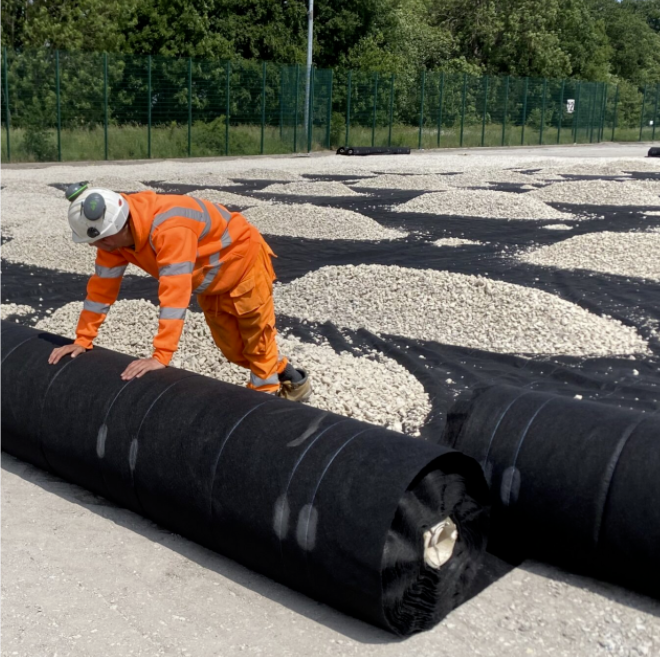
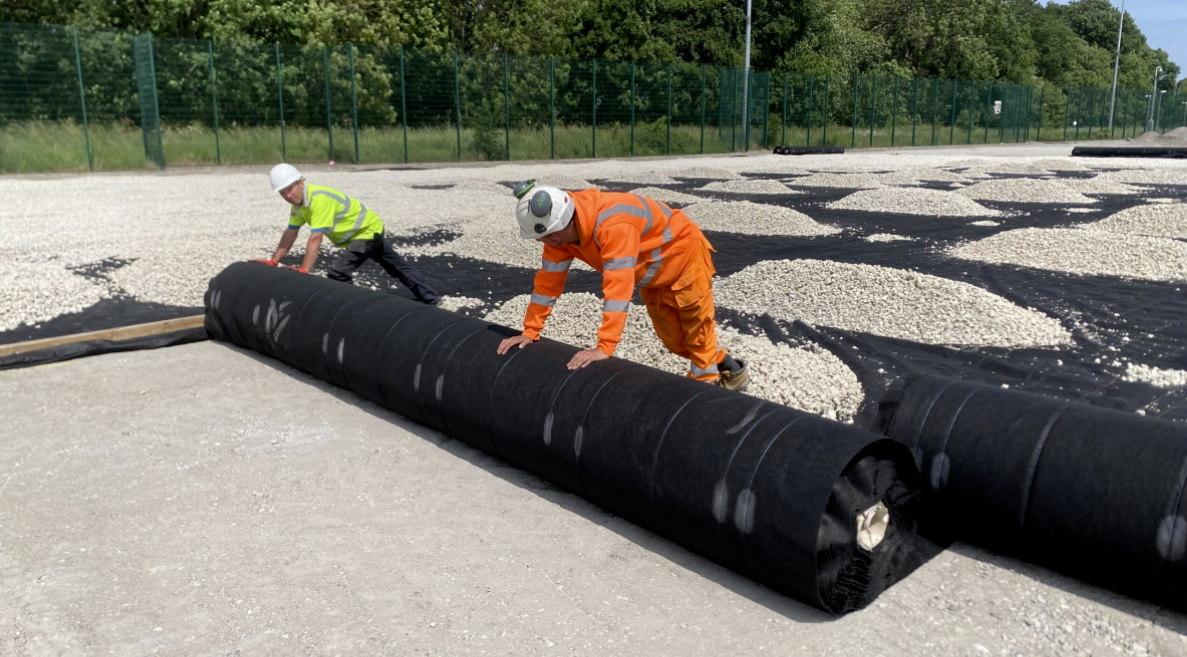
In civil engineering, environmental protection, and construction, geosynthetics are indispensable materials due to their versatility, durability, and cost-effectiveness. However, the successful application of geosynthetics depends on meticulous planning, precise installation, and a thorough understanding of the material's properties. As a global leader in geosynthetic manufacturing and solutions, TAIMEI emphasizes the importance of avoiding common mistakes that can compromise project integrity, increase costs, and lead to long-term failure. This guide provides comprehensive and in-depth expert insights into best practices, common pitfalls, and detailed strategies to ensure flawless geosynthetic applications.
Understanding the Fundamentals of Geosynthetics
Before discussing common application mistakes, it is essential to understand the fundamental characteristics that determine the performance and suitability of geosynthetics in engineering projects. These core characteristics guide engineers in selecting appropriate geosynthetics for soil stabilization, filtration, drainage, erosion control, waterproofing, and environmental protection.
1. Tensile Strength
Tensile strength refers to the ability of a geosynthetic material to withstand tensile forces without excessive elongation or fracture. It is crucial in applications such as reinforcement, embankment construction, retaining walls, and road construction. High tensile strength ensures that the material effectively distributes loads and maintains structural stability over the long term.
2. Puncture Resistance
Puncture resistance refers to a material's ability to withstand concentrated loads from sharp objects or from stones, debris, or construction activities. This property is critical for geomembranes and geotextiles used for landfill, reservoir, mine, and roadbed protection. Strong puncture resistance prevents tearing, leakage, and long-term structural damage.
3. Permeability
Permeability indicates how easily water or gas can pass through a geosynthetic material.
- High-permeability products (such as nonwoven geotextiles) are used for filtration and drainage, allowing water flow while preventing soil migration.
- Low-permeability products (such as geomembranes) act as barriers against water, chemicals, or vapors.
- Proper permeability ensures effective drainage, prevents soil clogging, and maintains the hydraulic balance of the soil structure.
4. Chemical Compatibility
Geosynthetics may come into contact with chemicals in soil, wastewater, industrial runoff, or leachate. Chemical compatibility ensures that the material resists degradation, swelling, or loss of strength when exposed to such substances.
This property is particularly important for geomembranes used in hazardous waste landfills, tailings ponds, and chemical containment areas.
5. UV Resistance
Geosynthetics exposed to sunlight must be able to withstand prolonged exposure to ultraviolet (UV) radiation; otherwise, the material will become brittle, lose strength, and crack. For applications such as slope protection, temporary coverings, or erosion control products exposed to long-term exposure, the use of UV-resistant materials (often with added stabilizers or coatings) is crucial.
6. Environmental Durability
Environmental durability includes the ability to resist temperature fluctuations, biofouling, oxidation, weathering, and long-term mechanical stress. Durable geosynthetics function reliably throughout the design life of the structure, even under harsh environmental conditions such as freeze-thaw cycles, soil acidity, or microbial activity.
Why the Right Choice is Crucial: Selecting the right geosynthetic based on these physical and chemical properties is crucial. Improper material selection or specification mismatch is a major cause of geotechnical engineering project failure, leading to problems such as settlement, leakage, erosion, or premature structural damage.
Common Mistakes in Geosynthetic Applications and How to Avoid Them
1. Inadequate Site Assessment and Soil Testing
Mistake: Failure to conduct a comprehensive site investigation can lead to inappropriate material selection and installation methods.
Impact: Soil heterogeneity, unexpected moisture levels, or the presence of chemicals can cause premature degradation or failure of geosynthetics.
Expert Tips:
- Conduct a detailed geotechnical investigation, including soil testing, chemical analysis, and hydrological assessment.
- Understand specific site conditions, such as slope stability, seismic activity, and climatic factors.
- Utilize technical support from companies like TME to match geosynthetics to precise environmental conditions, ensuring their durability and performance.
2. Incorrect Material Selection for Specific Applications
Mistake: Using generic or unsuitable geosynthetics without considering specific loads, chemical exposures, or environmental conditions.
Impact: Shortened service life, increased maintenance costs, and potential failures.
Expert Tips:
- Match material properties to application requirements: For example, use high-puncture-resistant geogrids for reinforcement and chemically resistant geomembranes for enclosure.
- Consult Taimei's product experts to determine the optimal material based on project parameters.
- Prioritize products that are certified and tested to meet international standards such as ASTM, ISO, or GSI.
3. Poor Site Preparation and Surface Condition
Error: Debris, sharp objects, or uneven surfaces were not thoroughly removed before installation.
Impact: Damage to the geosynthetic layer during installation, resulting in tears or perforations.
Expert Tips:
- Implement a thorough site preparation procedure, removing all sharp stones, tree roots, and debris.
- Use fine leveling tools to create a smooth, uniform surface.
- Use a protective layer or geotextile mat during installation to prevent damage, especially on rugged or rocky terrain.
4. Incorrect Installation Techniques
Error: Failure to follow the manufacturer's guidelines regarding overlap, anchoring, and handling.
Impacts: Reduced efficiency, water or air leaks, and increased risk of material displacement.
Expert Tips:
- Follow the detailed installation manual provided by TAIMEI for each product.
- Ensure sufficient overlap—typically 30-50 cm, depending on the application—and securely anchor.
- Handle materials carefully using specialized equipment and trained personnel, avoiding dragging, folding, or stretching beyond specified limits.
- Conduct continuous quality checks during installation.
5. Ignoring Environmental Factors, such as UV Exposure and Temperature Fluctuations
Error: UV exposure, extreme temperatures, or weather conditions were not considered when installing geosynthetics.
Impacts: Material degrades, becomes brittle, or loses mechanical properties over time.
Expert Tips:
- For applications exposed to the elements and for protective coverings during construction, use UV-resistant geosynthetics.
- To avoid temperature-related problems, choose a time when weather conditions are suitable for installation.
- Refer to TAIMEI's product datasheets for UV stability ratings and temperature limits.
6. Inadequate Drainage and Water Management
Error: Neglecting the importance of proper drainage layers and water flow management.
Impact: Water accumulation can weaken the structure of geosynthetics, causing erosion or leading to hydrostatic pressure buildup.
Expert Tips:
- Use suitable drainage composite materials and perforated pipes where necessary.
- Design drainage systems that facilitate drainage and pressure relief.
- Regularly inspect and maintain drainage facilities to prevent blockages.
7. Neglecting Long-Term Durability and Chemical Compatibility
Error: Failure to assess long-term environmental exposure or chemical interactions when selecting materials.
Impact: Accelerated degradation, leaching, or loss of structural integrity.
Expert Tips:
- Conduct compatibility testing with chemicals, salts, or hydrocarbons commonly found in the environment.
- Select high-quality, chemically resistant geosynthetics from TIM's extensive catalog.
- Take protective measures, such as capping or encapsulation, to extend service life.
Best Practices for Ensuring Successful Geosynthetic Implementation
The reliable performance of geosynthetics depends not only on product quality but also on proper installation, testing, and long-term maintenance. Following industry best practices helps maximize structural integrity, prevent failure, and ensure the long-term effectiveness of geosynthetic systems.
1. Rigorous Training and Certification of Installation Teams
Well-trained personnel are essential for proper installation and material handling.
Comprehensive Skills Training: All installation teams should receive training in equipment operation, jointing techniques, anchoring procedures, and project-specific challenges.
Certification Program: Implement formal certification to ensure installers meet recognized standards for geomembranes, geotextiles, geogrids, and composite drainage products.
Continuous Updating: Provide continuing education courses and updated guides covering the latest product innovations, quality standards, and industry advancements from TIM.
Safety Compliance: Training must include hazard identification, safe material handling, thermal welding procedures, and emergency procedures to minimize risks during installation.
A qualified team can reduce installation errors—one of the leading causes of premature failure in geosynthetics.
2. Detailed Project Planning and Documentation
Well-planned procedures ensure efficient installation and reduce the likelihood of design inconsistencies.
Clear Installation Plan: Includes detailed drawings and specifications covering panel layout, joint overlap, anchorage trench dimensions, drainage paths, and compaction requirements.
Material Compatibility Review: Verifies that the selected geosynthetics meet project requirements in terms of tensile strength, permeability, chemical resistance, and durability.
Accurate Documentation: Maintains comprehensive records, including delivery logs, lot numbers, installation dates, welding temperatures, and equipment calibration data.
Stakeholder Coordination: Coordinates with designers, contractors, and quality control personnel to avoid misunderstandings of standards or last-minute design changes.
Comprehensive documentation facilitates traceability, quality assurance, and future maintenance planning.
3. Quality Control and Testing During Installation
Continuous quality control is crucial for verifying that materials and workmanship meet project specifications.
Field Testing: Conducts field tests for joint strength, tear resistance, permeability, and puncture resistance. For geomembrane welding, performs non-destructive testing such as vacuum chamber testing, spark testing, or airway pressure testing.
Visual Inspection: Immediately inspects for wrinkles, tears, contamination, misalignment, and improper fastening. Early detection of problems allows for rapid correction before material coverage.
Environmental Monitoring: Monitor wind speed, temperature, and humidity to ensure installation is conducted within safe limits. Extreme conditions can reduce bond strength or cause material expansion.
Material Storage Inspection: Inspect rolls before installation to ensure proper handling and prevent damage from UV exposure or improper stacking.
Strict quality control ensures that installed geosynthetics achieve design performance from day one.
4. Regular Post-Installation Maintenance and Monitoring
Long-term performance depends on continuous inspection and proactive maintenance.
Routine Inspections: Conduct regular inspections to detect wrinkles, erosion, settlement, chemical exposure, or physical damage caused by machinery or wildlife.
Preventative Maintenance: Implement erosion control measures, promptly repair small cracks, and remove accumulated debris to prevent localized stress.
Performance Monitoring: Track parameters such as drainage efficiency, leakage, and structural stability in geotechnical systems such as landfills, drainage systems, or reinforced slopes.
Long-Term Documentation: Maintain inspection logs, repair records, and performance data to support predictive maintenance and optimized lifecycle planning. Continuous monitoring extends service life and reduces future maintenance costs.
Conclusion: TAIMEI Helps Achieve Excellence in Geosynthetic Applications
The key to successful geosynthetic projects lies in avoiding common mistakes through meticulous planning, appropriate material selection, and precise installation techniques. TAIMEI is your trusted partner, providing high-quality products, comprehensive technical support, and innovative solutions that meet the highest standards of quality and durability. By following these expert recommendations, engineers and project managers can maximize the service life of geosynthetics and enhance their performance, ensuring safe, sustainable, and cost-effective infrastructure construction.
Contact TAIMEI today for tailored solutions, technical consultation, and industry-leading geosynthetic products to meet the unique needs of your project.