Best Practices for Installing PVC-Coated Transport Fabrics on Vehicles
- Share
- Issue Time
- Feb 4,2026
Summary
Learn comprehensive best practices for installing PVC-coated transport fabrics on vehicles. Ensure durability, safety, and optimal performance under the guidance of TAIMEI experts.
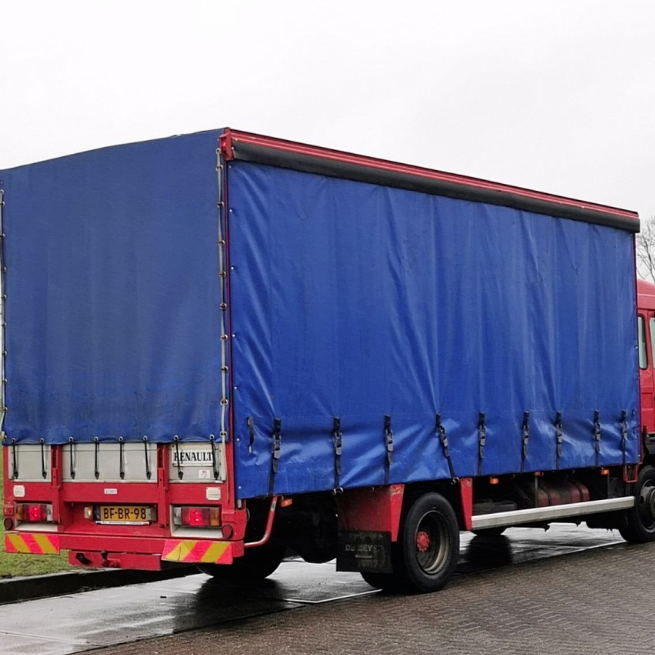
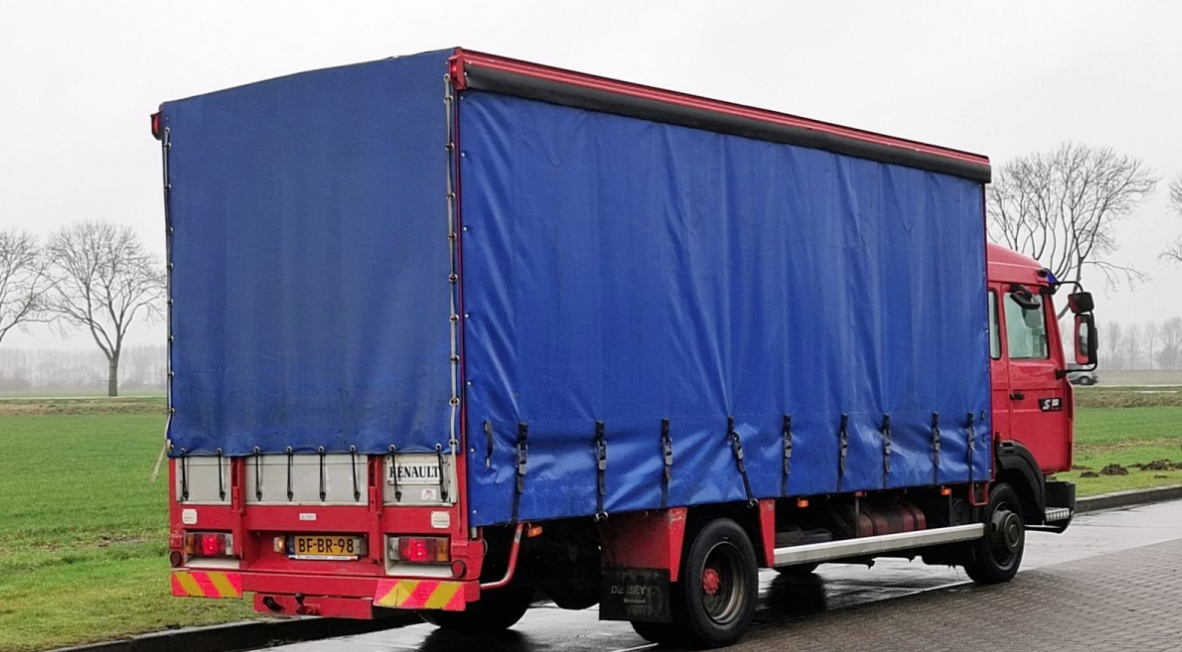
Installing PVC-coated transport fabrics on vehicles is a critical process that directly impacts the durability, safety, and overall performance of vehicle coverings. At TAIMEI, we understand that meticulous installation is essential for maximizing fabric lifespan, preventing premature wear, and ensuring compliance with industry standards. This guide details best practices for installing PVC-coated fabrics on various vehicle types, including trucks, trailers, and specialized transport units.
Our expertise combines cutting-edge materials with proven installation processes to ensure you get the maximum return on your investment in high-quality fabrics. Whether you are an experienced installer or new to automotive fabric applications, this guide provides the necessary insights to help you elevate your work standards and achieve outstanding results.
Understanding PVC-Coated Transport Fabrics: Composition and Performance
Before exploring installation methods, it is essential to understand the composition and inherent properties of PVC-coated transport fabrics. These fabrics are typically woven from durable polyester or polyethylene fibers and coated with polyvinyl chloride (PVC), providing strength, flexibility, and protection. This coating significantly enhances the fabric's performance across a wide range of applications, particularly in transportation, logistics, and industrial environments.
Key Features:
Excellent Weather Resistance: PVC-coated fabrics effectively resist rain, snow, and harmful UV rays, ensuring the safety of transported goods in a variety of environmental conditions.
High Durability: These fabrics offer tear resistance, abrasion resistance, and anti-aging properties, providing lasting performance even under heavy loads.
Easy Maintenance: The PVC coating simplifies cleaning; typically, a simple wash with water and a mild detergent is sufficient to maintain appearance and hygiene.
Customizable Options: The color, thickness, coating type, and surface finish of PVC-coated fabrics can be customized to specific applications, whether for tarpaulins or industrial protective fabrics.
A thorough understanding of these characteristics is crucial for proper handling and installation, ensuring the fabric's durability, water resistance, and protective performance are fully realized.
Pre-Installation Planning and Preparation
Proper planning and preparation are essential for the successful installation of PVC-coated transport fabrics. Paying attention to detail at this stage ensures optimal adhesion.
1. Site Selection and Environmental Conditions
The installation environment significantly impacts the fabric's adhesion and lifespan. Choose a clean, dry, and well-ventilated area to prevent contamination and ensure good adhesion. Avoid outdoor installation in rainy weather, high humidity, or extreme temperatures, as these conditions can affect adhesive strength and potentially damage the fabric. Choose a controlled indoor environment whenever possible to maintain consistent quality.
2. Material Inspection and Quality Assurance
Before installation, thoroughly inspect all materials:
Fabric Dimensions: Confirm that the PVC-coated fabric meets the specified length, width, and thickness.
Defect Inspection: Inspect the fabric for tears, holes, uneven coating, or any manufacturing defects.
Hardware Inspection: Ensure all relevant components—hooks, buckles, tensioners, or fasteners—are in proper working order.
Tool and Adhesive Readiness: Confirm that all necessary tools, adhesives, and installation materials are in place and meet quality standards.
Performing these checks prevents delays and ensures a smooth installation process.
3. Surface Preparation
The substrate surface plays a crucial role in fabric adhesion and long-term performance:
Cleansing: Use mild detergents, degreasers, and abrasive tools to remove dirt, grease, rust, and residual adhesive as needed.
Drying: Thoroughly dry the surface to remove moisture, which weakens the adhesive's bonding strength and promotes corrosion or mold growth.
Smoothness: For metal surfaces, light sanding or polishing can enhance adhesion and ensure a uniform surface finish.
4. Measurement and Fabric Cutting
Accurate measurement is key to a professional and safe installation: Use precision tools such as tape measures, laser rangefinders, and templates to determine exact dimensions.
Allow extra material for overlapping edges, tensioning, and seams.
Cut the fabric carefully, ensuring straight, clean edges for seamless seams and reducing the risk of abrasion or misalignment.
Proper pre-installation planning is crucial for ensuring a durable, efficient, and high-quality installation of PVC-coated fabrics. Proper preparation reduces installation errors, prevents material waste, and ensures optimal performance in the intended environment.
Optimal Installation Techniques for PVC-Coated Transport Fabrics
Correct installation techniques are essential for maximizing the durability, weather resistance, and performance of PVC-coated transport fabrics. Paying attention to detail in every step ensures long-term effective operation and reduces maintenance needs.
1. Proper Tension and Alignment
Maintaining proper tension is crucial to prevent fabric sagging, outward turning, or premature wear. During installation, use a tensioning device (manual, pneumatic, or hydraulic) to evenly stretch the fabric onto the frame. Carefully align the fabric to ensure it is symmetrical and straight, avoiding twists or wrinkles that could affect appearance and structural integrity.
2. Seam Construction and Reinforcement
Seams are often the weakest point in fabric installation and require extra attention. High-frequency welding or hot-air welding techniques specifically designed for PVC-coated materials should be used. Reinforce seams with double stitching or specialized seam tape to prevent abrasion. Ensure at least 2-3 inches of overlap at seams to maintain structural strength and water resistance, especially in areas subject to high stress or harsh weather.
3. Adhesive Application and Bonding
Choose an industry-recognized adhesive suitable for PVC-coated fabrics, such as solvent-based contact adhesives or hot melt adhesives. Apply the adhesive evenly using a brush, roller, or spray system, avoiding excessive application that could lead to dripping or uneven bonding. Strictly follow the manufacturer's recommended curing time and environmental conditions for optimal adhesion.
4. Edge and Corner Sealing
Edges and corners are high-stress areas, prone to tearing and water seepage. Use reinforcing edge banding, seal seams, and corner protectors at the joints between fabric and hardware. Apply sealant as needed to form a durable, waterproof layer to extend service life and ensure the installation can withstand environmental damage.
5. Hardware Integration and Connection
Use suitable accessories (e.g., hooks, eyelets, clips, or levers) to secure the fabric. Ensure each connection point is correctly positioned to evenly distribute the load and achieve a strong, stable connection. Use stainless steel or other corrosion-resistant materials whenever possible to prevent rust and extend the life of the fabric and accessories.
6. Final Inspection and Tension Adjustment
After installation, conduct a comprehensive inspection to verify installation quality:
Check fabric tension at multiple points to ensure uniformity.
Check seam integrity and confirm seal effectiveness.
Check that all hardware is secure and correctly positioned.
Evaluate overall alignment and visual appearance.
Make necessary tension adjustments to ensure the fabric is taut but not overstretched, maximizing performance and preventing premature wear.
Post-Installation Maintenance and Quality Control of PVC Coated Transport Fabrics
Proper maintenance and quality control are crucial for extending the lifespan and performance of PVC-coated transport fabrics. Regular maintenance prevents premature wear, maintains appearance, and ensures safety and functionality in harsh environments.
1. Regular Inspection and Cleaning
Develop a routine inspection plan to detect signs of wear, tears, seam abrasion, or loose hardware early. Frequent inspections help intervene promptly, preventing small problems from escalating into major issues.
When cleaning, use a mild detergent and a soft-bristled brush or sponge to remove dirt, dust, and environmental residue. Avoid using strong chemicals or abrasive cleaning tools, as these can damage the PVC coating. Always rinse and dry the fabric thoroughly to prevent mold, mildew, or adhesive aging.
2. Timely Repair and Reinforcement
Minor damage should be addressed immediately to prevent further deterioration. Small tears, perforations, or seam cracks can be repaired using repair kits, sewing tools, or special adhesives designed for PVC-coated fabrics.
3. Proactive Reinforcement of High-Stress or Frequently Used Areas
This includes adding stitching, duct tape, or fabric overlays to maintain structural integrity and prevent weak points from affecting overall performance.
4. Environmental Damage Prevention
Protect fabrics from environmental factors to extend their lifespan. In areas with prolonged exposure to sunlight, consider applying a UV-resistant coating to prevent fading, brittleness, and a decrease in the strength of the PVC layer.
Avoid contact with chemicals, oils, or rough surfaces, as these substances can damage the coating, reduce water resistance, or cause tearing. When transporting or storing vehicles carrying PVC-coated fabrics, ensure they are kept in environments free from excessive heat, moisture, or contact with sharp objects.
5. Documentation and Quality Tracking
Maintain records of inspections, repairs, and replacements. Detailed documentation helps monitor changes in fabric performance over time, develop preventative maintenance plans, and make informed decisions regarding replacement plans or supplier quality feedback.
By implementing regular maintenance, timely repairs, and proactive environmental protection, businesses can significantly extend the lifespan of PVC-coated transport fabrics, reduce operational disruptions, and maintain high-quality performance throughout the product's lifespan.
Innovative Technologies and Future Trends in PVC Coated Transport Fabric Installation
Taimi continuously integrates advanced materials and installation technologies to enhance product durability and ease of installation. Innovations include:
- Laser welding technology for seamless, high-strength welds.
- Automated tensioning systems for uniform fabric application.
- Smart adhesives for faster curing and stronger adhesion.
- Environmentally friendly coatings that maintain performance while reducing environmental impact.
Following these trends ensures your installation practices remain state-of-the-art, delivering superior performance and reliability.
Conclusion
Installing PVC-coated transport fabric on vehicles requires precise operation, specialized knowledge, and strict adherence to best practices. Proper preparation, meticulous installation, and ongoing maintenance are key to ensuring the durability, weather resistance, and safety of vehicle covers.
Taimi is committed to providing industry-leading materials and technical support to ensure flawless installations. By following these comprehensive best practices, you can significantly extend the lifespan of your vehicle fabrics, optimize their protective performance, and achieve the highest standards of safety and durability.
Partner with Taimei today to secure premium automotive fabric solutions that enhance performance, efficiency, and long-term value.