Explore Cost Savings Achieved Through Geosynthetics in Projects
- Share
- Issue Time
- Dec 17,2025
Summary
Discover how geosynthetics cut costs, boost durability, and improve performance in construction. Trust TMEI for high-quality geosynthetic solutions that deliver proven savings and reliability.
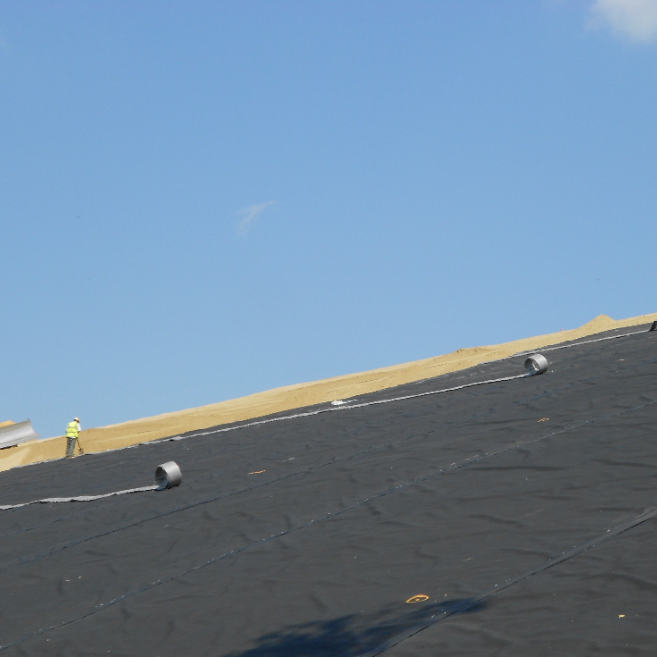
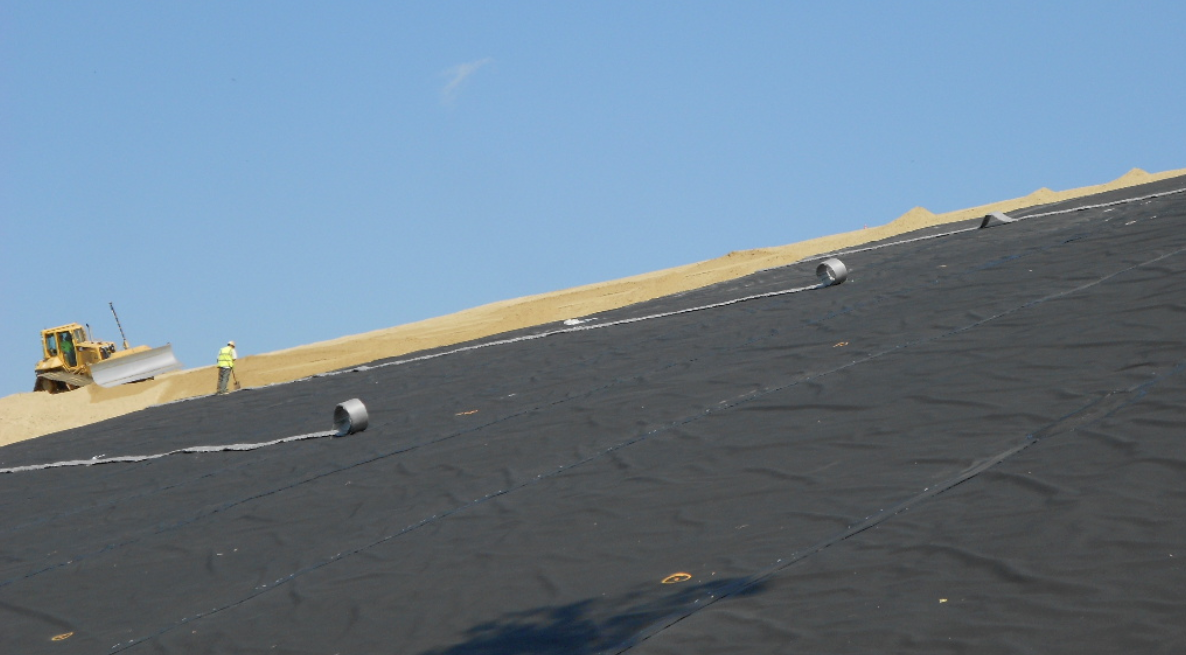
In modern construction and civil engineering, cost-effectiveness and performance optimization are paramount. The innovative application of geosynthetics has revolutionized traditional methods, delivering unprecedented cost savings, enhanced durability, and environmental benefits. TAIMEI focuses on providing high-quality geosynthetics to help project managers, engineers, and developers achieve outstanding results within budgets.
Understanding Geosynthetics: The Pillars of Modern Construction
Geosynthetics are engineered polymer-based materials designed to improve the performance, durability, and efficiency of civil and geotechnical construction projects. Widely used in infrastructure construction, environmental protection, and foundation engineering, geosynthetics include geotextiles, geogrids, geomembranes, geocomposites, and geocells, each with specific technical functions.
By improving soil properties and structural performance, geosynthetics enable engineers to design safer, more economical, and more sustainable solutions. They play key roles such as reinforcement, isolation, filtration, drainage, enclosure, and erosion control, allowing construction projects to meet performance requirements while minimizing material consumption and environmental impact. Therefore, geosynthetics have become a fundamental component of modern highways, railways, landfills, embankments, retaining walls, and hydraulic systems.
Why Are Geosynthetics Crucial for Cost Reduction?
Geosynthetics deliver measurable cost savings at every stage of a project—from design and construction to long-term operation and maintenance.
1. Reduced Material Usage
Geosynthetics significantly reduce the need for traditional building materials such as gravel, sand, and concrete. For example, geotextiles can replace thick aggregate layers in road construction, while geogrids improve load distribution, thus reducing subgrade thickness. This helps reduce material procurement and transportation costs, especially in areas with scarce or high-cost natural resources.
2. Reduced Excavation and Site Preparation
The reinforcing and stabilizing properties of geosynthetics allow for construction on weaker foundations without the need for large-scale excavation or earthwork replacement. By increasing bearing capacity and controlling settlement, geosynthetics minimize earthwork, saving fuel, machinery usage, labor hours, and reducing project risk.
3. Shorter Construction Cycles
Compared to traditional construction methods, geosynthetics are lightweight, easy to transport, and quick to install. Faster installation reduces labor requirements and shortens project timelines, enabling roads to open or facilities to operate sooner. This increased time efficiency directly translates into cost savings and improved project cash flow.
4. Extended Lifespan and Reduced Maintenance
Geosynthetics are durable and resistant to chemical degradation, biological erosion, and environmental stress. Their long lifespan helps prevent problems such as erosion, uneven settlement, and structural failure. Reduced maintenance and repair needs significantly lower life-cycle costs, making geosynthetics a cost-effective long-term investment.
Other Benefits Beyond Cost Savings
In addition to direct economic benefits, geosynthetics reduce carbon emissions from material extraction and transportation, promoting sustainable building practices. They enable smarter resource use, improve project reliability, and help meet increasingly stringent environmental and regulatory requirements.
For engineers and project owners seeking optimized performance, reduced risk, and long-term value, geosynthetics are more than just a building material; they are a strategic solution supporting the development of efficient infrastructure for the future.
Beyond Cost Savings: Benefits
Beyond direct economic benefits, geosynthetics reduce carbon emissions during material extraction and transportation, thus promoting sustainable construction practices. They enable smarter resource utilisation, improve project reliability, and help meet increasingly stringent environmental and regulatory requirements.
For engineers and project owners seeking optimised performance, reduced risk, and long-term value, geosynthetics are more than just building materials; they are a strategic solution supporting the development of efficient infrastructure for the future.
Key Cost-Saving Applications of Geosynthetics in Construction Engineering
Geosynthetics play a vital role in modern construction engineering, not only enhancing engineering performance but also significantly reducing initial and life-cycle costs. Their versatility allows engineers to utilise efficient, proven solutions to address complex geological conditions, environmental challenges, and durability requirements.
1. Soil Reinforcement and Stabilisation
Geogrids and geotextiles are widely used in embankments, highways, railways, retaining walls, and building foundations to reinforce weak or unstable soil layers. These materials improve load transfer and limit soil movement, increasing subgrade bearing capacity and enhancing overall structural stability.
Geosynthetic reinforcement technology can be applied directly to existing foundations without removing and replacing unsuitable soil (which is typically time-consuming and expensive). This method is particularly effective in terrains where traditional earthwork is difficult, such as soft soil areas, swamps, or mountainous regions.
Cost-effectiveness: Significantly reduces material and labour costs by minimising deep excavation and soil replacement.
Allows the use of locally available or lower-quality soil, thus reducing import and transportation costs.
Extends the lifespan of roads and foundations, thereby reducing the frequency of repairs and lowering long-term maintenance costs.
2. Drainage and Erosion Control
Geosynthetics, particularly geotextiles and geocomposites, are a crucial component of effective drainage and erosion control systems. They control water flow, prevent soil migration, and protect structures from water-related damage such as settlement, cracking, and slope instability.
In erosion control applications, geosynthetics stabilise slopes, embankments, and waterways by reinforcing the soil surface and reducing the effects of water flow and wind erosion. These solutions are widely used in road excavation, riverbank and coastal protection, and landscaping projects.
Cost-Effectiveness:
Reduces reliance on complex and expensive drainage infrastructure.
Prevents erosion damage, significantly reducing long-term repair and reconstruction costs.
Minimises maintenance requirements while ensuring long-term system stability.
3. Waterproofing and Sealing
Geomembranes provide highly effective waterproofing and sealing solutions for landfills, reservoirs, tunnels, basements, and underground structures. Its low permeability and chemical resistance make it ideal for preventing leaks, seepage, and environmental pollution.
Compared to traditional sealing materials, geomembranes offer superior durability and ease of installation, ensuring long-term protection even in harsh environmental conditions.
Cost-effectiveness: Significantly reduces the risk of leaks and associated environmental remediation costs.
Long service life reduces replacement frequency and lifecycle costs.
Minimises regulatory penalties, environmental liability, and project risks.
4. Road Construction and Maintenance
In road construction, geosynthetics such as geotextiles and geogrids improve load distribution, enhance subgrade stability, and extend pavement life. They reduce rutting, cracking, and deformation caused by traffic loads and environmental factors.
By reinforcing road structures, geosynthetics can reduce pavement and base course thickness without compromising performance, making them a cost-effective solution for both new construction and remediation projects.
Cost-effectiveness:
Reduces material costs by reducing the required thickness of base and subbase courses.
Reduces maintenance frequency and associated repair costs.
Accelerates construction timelines, enabling roads to be operational sooner and generate economic benefits.
5. Landfill and Waste Management
Geosynthetics are indispensable in modern landfill and waste management systems. They are used in liners, capping layers, leachate collection, and gas management systems to ensure environmental safety and compliance with regulations.
Compared to traditional clay liners, geosynthetic liners offer more stable performance, easier installation, and higher long-term reliability. Furthermore, they improve landfill gas control, aiding in energy recovery and reducing operational inefficiencies.
Cost-Effectiveness:
More economical than natural clay liners, especially suitable for areas where clay is scarce.
Enhanced gas and leachate management reduces operating and treatment costs.
An extended system lifespan reduces replacement, downtime, and maintenance costs.
How Taimei Geosynthetic Solutions Maximize Cost Savings
Taimei remains at the forefront of geosynthetic innovation, offering a range of tailored products to meet the specific needs of each project. Our rigorous quality control, advanced manufacturing processes, and technical support ensure customers receive the highest performance standards at the most competitive prices.
Customized Solutions for Optimal Cost-Effectiveness
Design Optimization: Our team collaborates with clients to develop cost-effective designs that fully leverage the advantages of TME Geosynthetics, minimizing material waste.
Material Selection: We recommend the most suitable geosynthetic types and specifications to meet project needs, ensuring the highest cost-effectiveness.
Installation Support: Our technical experts provide training and installation guidance to reduce errors, delays, and rework costs.
Sustainable and Cost-Effective Materials
TMEEI focuses on environmentally friendly production processes, providing recyclable and durable geosynthetics, thereby reducing environmental impact and future disposal costs. Our materials are designed to withstand harsh environments, ensuring durability and reducing the need for frequent replacements.
Case Studies Prove Cost Savings with TME Geosynthetics
Case Study 1: Highway Reinforcement
A large highway project faced the challenge of soft subgrade soil. By adopting TME geogrids, the project team successfully reduced the base course thickness by 30%, saving over $200,000 in material costs. Furthermore, the reinforced pavement exhibited superior load-bearing capacity, extending maintenance intervals by 50%.
Case Study 2: Landfill Liner System
In a large landfill project, TAIMEI geomembranes replaced traditional clay liners. Installation costs were reduced by 40% due to faster deployment and the elimination of large-scale soil excavation. Furthermore, the long-term durability of the geomembrane reduced the landfill's operating costs throughout its lifespan.
Case Study 3: Coastal Slope Erosion Control
Using TAIMEI geotextiles and geocells, a coastal erosion mitigation project reduced erosion-related remediation work by 60%. The cost savings included reductions in labor, materials, and maintenance expenses, ensuring long-term protection at a significantly lower cost than traditional erosion control methods.
The Future of Cost-Effective Construction: TAIMEI Leads the Way in Promoting Geosynthetics
The evolving construction industry demands innovative materials that combine cost-effectiveness, superior performance, and environmental sustainability. TAIMEI is committed to research and development to ensure our customers always have access to leading geosynthetic solutions that maximize cost-effectiveness.
Investing in TAIMEI geosynthetics not only reduces initial construction costs but also extends project lifespan, reduces maintenance costs, and minimizes environmental responsibility. This comprehensive approach makes geosynthetics an indispensable component of cost-optimized construction projects across various industries.
Conclusion: TAIMEI geosynthetic solutions help you achieve unparalleled cost savings.
The strategic application of geosynthetics in construction projects can not only significantly reduce costs but also improve structural integrity, reduce environmental impact, and extend project life. TAIMEI offers high-quality geosynthetic products and boasts a professional technical team and customized solutions to meet the specific needs of your project.
Partner with TAIMEI today to maximize the cost-effectiveness, enhance performance, and ensure the long-term success of your construction projects. TAIMEI geosynthetics leads the future of construction innovation—the wise choice for cost-effective and high-performance projects.
Contact TAIMEI today to learn more about our geosynthetic solutions and how they can transform your next project into a cost-effective success story.