How to Choose the Most Durable Geosynthetics for Harsh Environments | Taimei
- Share
- Issue Time
- Dec 4,2025
Summary
Discover expert insights on choosing the most durable geosynthetics for extreme conditions. Learn about key factors, material properties, and TAIMEI’s top solutions for harsh environments.
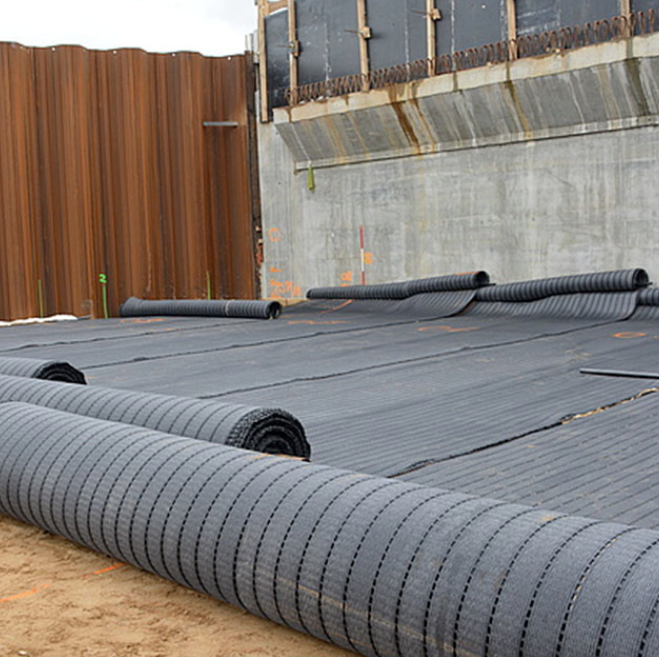

Geosynthetics have become indispensable materials in civil engineering, environmental protection, and infrastructure construction. Their ability to reinforce, stabilize, and restrain structures under harsh conditions makes them a critical component of projects exposed to harsh environments such as high salinity, extreme temperatures, strong UV radiation, and corrosive chemicals. Choosing the most durable geosynthetics is crucial to ensuring long-term performance, cost-effectiveness, and structural integrity.
At Taimei, we focus on providing high-quality, durable geosynthetic solutions, especially suitable for extreme environments. This guide comprehensively explains the key factors, material properties, and best practices for selecting the most resilient geosynthetics best suited for your demanding projects.
Understanding the Challenges of Harsh Environments
Before delving into selection criteria, it's essential to understand the specific environmental stresses affecting geosynthetic durability:
• High salinity and chemical corrosivity: Coastal and industrial sites are frequently exposed to saltwater, acids, alkalis, and other corrosive chemicals.
• Extreme temperatures: The Arctic, deserts, and high-altitude regions subject materials to temperature fluctuations ranging from sub-zero to scorching heat.
• UV Radiation: Prolonged exposure to sunlight can degrade polymer-based geosynthetics.
• Mechanical Stress: Heavy loads, traffic, and geological movements generate significant tensile and shear stresses.
• Biological Factors: Vegetation growth, microbial activity, and animal disturbance can compromise the integrity of materials.
Understanding these factors helps in the targeted selection of geosynthetics with optimized durability and performance.
Key Material Properties of Durable Geosynthetics
1. High Chemical Resistance
Chemical stability is crucial for geosynthetics used in saline, industrial wastewater, and acidic or alkaline soils. Polypropylene (PP) and polyethylene (PE) have excellent chemical inertness. Taimei uses high-density polyethylene (HDPE) and polypropylene materials with superior chemical resistance to ensure long-term performance in corrosive environments.
2. Excellent UV Resistance and Weather Resistance
Prolonged exposure to UV radiation can reduce the strength of polymers. To prevent this, Taimei adds UV stabilizers to its material formulations. These UV-stabilized geosynthetics maintain their strength, flexibility, and durability even after decades of continuous outdoor exposure.
3. High Tensile Strength and Elongation
Durable geosynthetics must be able to withstand high mechanical stresses without tearing or deforming. High tensile strength ensures structural stability, while sufficient elongation provides good flexibility under varying loads. TAIMEI can customize tensile properties to meet specific project requirements.
4. Excellent Resistance to Biodegradation and Microbial Degradation
In bioactive environments, materials must resist microbial attack. Polyolefin-based geosynthetics exhibit extremely low biodegradability, making them ideal for long-term stability in bioactive environments.
5. Low Permeability and Excellent Barrier Properties
Low permeability is crucial for containment, isolation, and environmental protection applications. TAIMEI engineering geosynthetics effectively reduce fluid migration and maintain barrier integrity even under extreme environmental conditions.
Key Factors for Choosing Durable Geosynthetics
1. Material Composition and Manufacturing Process
Choosing high-quality polymers, such as high-density polyethylene (HDPE), polypropylene (PP), or polyester, is crucial for achieving long-term product durability. Advanced processes—including extrusion, compounding, and fiber weaving—directly impact product performance. TAIMEI employs state-of-the-art manufacturing technologies to ensure superior uniformity, high strength, and long-term stability.
2. Thickness and Density
Generally, higher thickness and density enhance a material's resistance to mechanical damage and chemical corrosion. However, choosing excessively thick materials can increase costs and complicate installation. TAIMEI offers customizable thickness and density options to meet specific engineering needs.
3. UV Stabilizers and Additives
Geosynthetics exposed to outdoor environments for extended periods require powerful UV stabilizers and antioxidants. TAIMEI uses advanced additive formulations to ensure stable performance and structural integrity of geosynthetics even under prolonged exposure to strong sunlight.
4. Resistance to Environmental Stress Cracking
Environmental stress cracking can occur when materials are subjected to both mechanical loads and environmental factors simultaneously. Optimized formulation and rigorous production quality control significantly improve the crack resistance and extend the service life of materials.
5. Compatibility with Soil and Water Conditions
Good compatibility with soil chemistry, pH, and groundwater conditions prevents premature degradation. TAIMEI conducts comprehensive environmental compatibility testing to ensure reliable operation under various soil and water conditions.
Installation and Maintenance Best Practices
Proper installation is crucial for maximizing durability:
- Surface Preparation: Ensure surfaces are clean and free of debris.
- Handling and Storage: Store geosynthetics in a dry, cool environment before installation to prevent UV damage.
- Joint Welding and Overlapping: Use proper welding techniques to ensure joint strength and chemical integrity.
- Protective Layer: Apply a protective layer in harsh environments to prevent mechanical damage.
- Regular Inspections: Schedule regular inspections to detect signs of deterioration or damage early.
Conclusion: TAIMEI's Advantages in Selecting Durable Geosynthetics
Choosing the most durable geosynthetics for harsh environments requires a comprehensive understanding of material properties, environmental challenges, and project requirements. As a leading supplier, TAIMEI offers innovative, high-quality geosynthetic solutions that excel in extreme conditions.
Our geosynthetics are manufactured using precision processes, rigorously tested, and carefully designed to ensure long-term durability. By choosing TAIMEI geosynthetics, engineers and project managers can ensure reliable performance, reduce lifecycle costs, and enhance environmental protection, even under the most demanding conditions.
Invest in durability. Contact us today and choose TAIMEI.
Ensure your infrastructure operates safely and efficiently today, tomorrow, and for decades to come.