How to Enhance Cargo Safety with PVC-Coated Transport Fabrics | TAIMEI
- Share
- Issue Time
- Feb 8,2026
Summary
Explore TAIMEI's ultimate guide to improving cargo safety using high-quality PVC-coated transport fabrics. Learn about their durability, safety standards, and best practices.
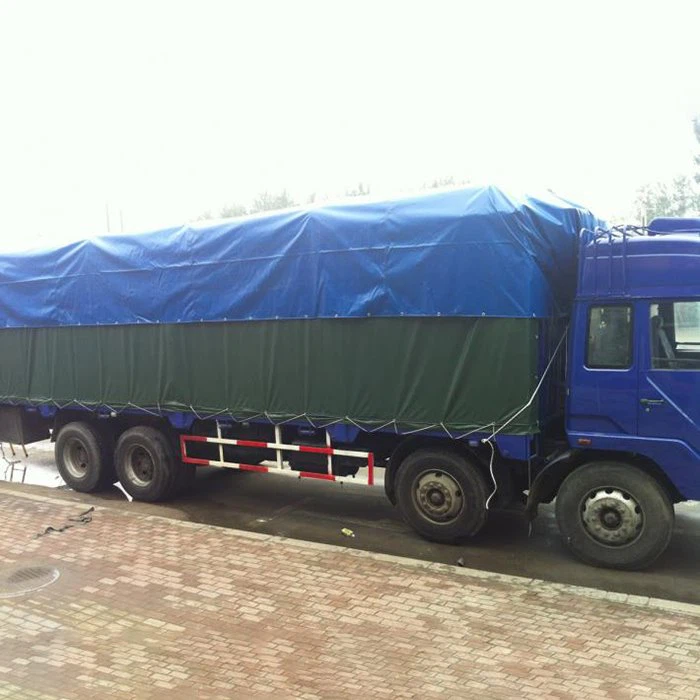
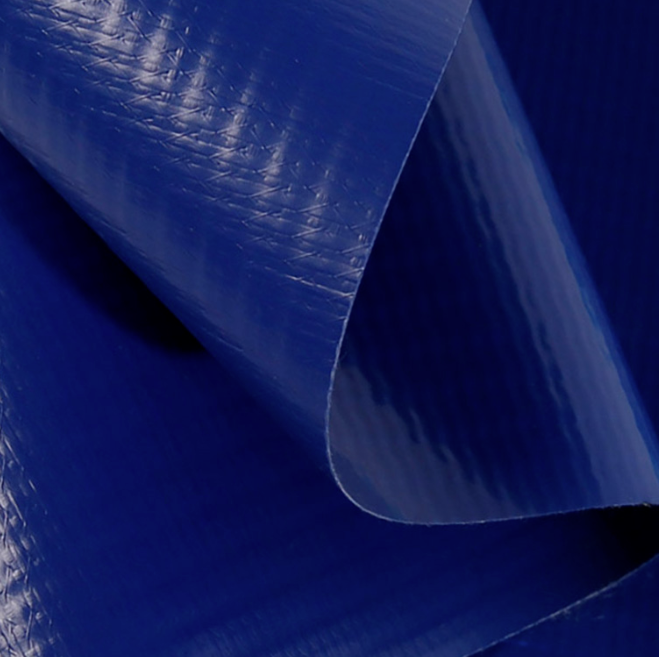
Ensuring the safety of goods during transit is a top priority for global logistics providers, manufacturers, and supply chain managers. The application of PVC-coated transport fabrics has revolutionized cargo protection, offering unparalleled durability, impact resistance, and security. As a leading supplier in the industry, TAIMEI is committed to providing high-quality PVC-coated fabrics designed to maximize the integrity and safety of goods throughout the transit process.
This guide provides a comprehensive and in-depth exploration of the advanced properties and benefits of PVC-coated fabrics, as well as best practices for leveraging these materials to significantly enhance cargo safety. Whether you manage container shipping, freight container shipping, or specialized transport operations, understanding how to optimize the use of PVC-coated fabrics can significantly reduce risk, prevent cargo damage, and ensure compliance with international safety standards.
Understanding PVC-Coated Transport Fabrics: The Foundation of Cargo Safety
PVC-coated transport fabrics are engineered textiles with a substrate (typically polyester or nylon) coated with polyvinyl chloride (PVC). PVC is a versatile polymer favored for its excellent weather resistance, chemical stability, and abrasion resistance. When combined with a high-strength textile substrate, these fabrics form a durable composite material specifically designed to protect goods in harsh transport environments.
These fabrics are widely used as protective covers, tarpaulins, padding, and linings for the transport of machinery, industrial goods, building materials, and hazardous materials. Their performance plays a crucial role in maintaining cargo integrity, minimizing transport damage, and ensuring compliance with transport safety standards.
Key Characteristics of PVC-Coated Transport Fabrics
Superior Durability
PVC-coated fabrics offer excellent tear, puncture, and surface abrasion resistance. This durability makes them suitable for repeated use in heavy-duty logistics, outdoor warehousing, and long-haul transport.
Water and Weather Resistance
The PVC coating forms an effective waterproof barrier, protecting goods from rain, snow, moisture, and humidity. The UV-resistant formulation also reduces material aging caused by prolonged exposure to sunlight.
Chemical Resistance
PVC-coated fabrics resist oils, fuels, acids, alkalis, and other corrosive substances, making them suitable for industrial and chemical transport applications where contamination is a risk.
Combining Flexibility and High Strength
Despite their toughness and durability, these fabrics remain flexible, making them easy to handle, fold, and install. High tensile strength ensures structural stability under loads, vibrations, and wind pressure during transport.
Customizable Thickness and Coating Performance
PVC-coated fabrics can be formulated in different weights, thicknesses, and coating formulations to meet specific cargo safety, durability, and regulatory requirements. Optional features include flame retardancy, antistatic properties, or enhanced low-temperature flexibility.
Why PVC Coated Fabrics are Crucial for Cargo Safety
The primary role of PVC-coated transport fabrics is to protect cargo from damage throughout the transport process while maintaining its physical and functional integrity. During transport, cargo is exposed to moisture, UV radiation, mechanical stress, and environmental contaminants. PVC coated fabrics are specially designed to act as a durable protective barrier against these risks.
They employ a multi-layered structure—combining a high-strength textile substrate with a PVC protective coating—providing both environmental protection and mechanical stability. This balance ensures cargo remains safe even under harsh transport and storage conditions.
Key Advantages for Enhanced Cargo Safety
Enhanced Moisture and Water Resistance
The PVC coating forms a waterproof barrier, preventing rainwater, condensation, and moisture from contacting the cargo. This protection is crucial for preventing rust, mold growth, corrosion, and material degradation, especially for metal products, machinery, and packaging.
Protection against UV degradation: Prolonged exposure to sunlight weakens the performance of traditional fabrics and packaging materials. PVC-coated fabrics with UV resistance maintain their strength, flexibility, and surface integrity, ensuring reliable protection during long-haul outdoor transport or storage.
High puncture and tear resistance: Transport operations often involve sharp edges, heavy objects, friction, and repeated handling. PVC-coated fabrics offer strong puncture and tear resistance, reducing the risk of accidental breakage or damage during loading, unloading, and transport.
Flame-retardant solutions for high-risk goods: For the transport of dangerous goods or flammable materials, flame-retardant PVC-coated fabrics provide additional safety. These formulations help meet regulatory requirements and reduce fire risks in critical transport environments.
UV and mildew resistance: Additional surface treatments enhance the fabric's resistance to mildew, bacteria, and UV rays. These properties extend the fabric's lifespan while maintaining its safety in wet or outdoor environments.
Choosing the Right PVC Coated Fabric to Ensure Cargo Safety
Selecting the right PVC-coated fabric is crucial for maximizing cargo protection, ensuring operational safety, and extending service life. Different transport environments and cargo types place varying performance requirements on fabrics. Key factors such as thickness, coating formulation, fabric structure, and customization options should be carefully evaluated to ensure the optimal balance between durability, flexibility, and safety.
1. Fabric Thickness and Coating Weight
Fabric thickness and coating weight directly affect strength and protective performance.
Thicker PVC-coated fabrics offer higher puncture, tear, and abrasion resistance, making them suitable for heavy or sharp-edged cargo.
Increased thickness may reduce flexibility, so handling requirements should also be considered.
Typical coating weights range from 550 g/m² to 900 g/m². Heavier coatings generally offer greater durability, weather resistance, and a longer service life under harsh transport conditions.
2. Coating Type and Formulation
The PVC coating formulation determines the fabric's performance under stress and environmental exposure.
Plasticized PVC coatings offer excellent flexibility, foldability, and abrasion resistance, making them ideal for frequent handling and repeated use.
Rigid PVC coatings provide greater stiffness and structural support for heavy-duty or static applications.
Functional additives such as UV stabilizers, mildew inhibitors, flame retardants, and anti-aging agents can be added to meet specific safety, regulatory, or environmental requirements.
3. Fabric Composition and Weave Structure
The base fabric plays a crucial role in overall strength and durability.
Polyester fabrics are widely used due to their high tensile strength, dimensional stability, and tensile strength.
PVC-coated polyester fabrics are the industry standard for heavy-duty cargo covers, tarpaulins, and transport protection systems.
Fabric density and weave pattern affect tear resistance; higher yarn density and tighter weaves generally result in higher mechanical strength and load-bearing capacity.
4. Customization to Specific Cargo Needs
Custom processing enhances performance and ensures specific cargo safety.
Anti-slip surfaces help prevent cargo from shifting during transport.
Reinforced edges, seams, and double stitching improve load stability and reduce failure at stress points. For goods requiring controlled airflow or condensation, perforated or ventilated designs can be used.
For special transport environments, additional options such as cold-resistant coatings or chemical-resistant layers can be specified.
Using PVC-Coated Fabrics to Maximize Cargo Safety
Proper application and maintenance of PVC-coated fabrics are crucial for ensuring cargo safety. The following are best practices for effectively utilizing PVC-coated fabrics:
1. Proper Fabric Handling and Installation
- Train employees on proper handling techniques to avoid accidental tearing.
- Ensure accurate measurements and secure fastening during installation.
- Use reinforced edges and double stitching to prevent abrasion.
2. Secure and Tight Covering
- Maintain proper tension to prevent slapping or shifting.
- Use high-quality fasteners, loops, and ropes specifically designed for PVC-coated fabrics.
- Regularly inspect seams and connection points for wear.
3. Regular Inspection and Maintenance
- Regularly inspect for signs of wear, tear, or UV damage.
- Clean with mild soapy water; avoid using harsh chemicals that can damage the PVC coating.
- Reapply a protective coating as needed to extend the fabric's lifespan. 4. Storage and Handling
- Store PVC-coated fabrics in a cool, dry, and well-ventilated environment.
- Avoid exposure to extreme temperatures during storage.
- Properly roll or fold the fabric to prevent wrinkles and cracks.
TAIMEI Advanced Safety Features and Innovation
TAIMEI leads the industry with its innovative PVC-coated fabric solutions designed to maximize cargo safety. Our advanced formulations include flame-retardant coatings, UV stabilizers, and mildew-resistant treatments.
1. Flame-Retardant PVC-Coated Fabrics
- Designed for transporting hazardous goods such as chemicals or flammable materials.
- Complies with international safety standards, such as IMO FTP regulations and NFPA requirements.
2. UV-Stabilized Fabrics
- Extends service life even under strong sunlight.
- Reduces fabric wear and tear, ensuring consistent protective performance.
3. Mildew and Moisture-Resistant Treatments
- Crucial for humid environments.
- Maintains fabric integrity and prevents degradation.
4. TAIMEI's Customized Solutions
- Fabrics tailored to specific cargo dimensions and safety standards.
- Innovative coatings with anti-slip, anti-corrosion, and heat-insulating properties.
Conclusion: Enhancing Cargo Safety with TAIMEI PVC-Coated Fabrics
Cargo transportation safety depends on the quality of the protective materials used. TAIMEI's PVC-coated transport fabrics represent the highest level of durability, resistance, and safety required for modern logistics challenges.
By selecting the appropriate specifications, implementing best handling and maintenance practices, and utilizing innovative safety enhancements, logistics providers can significantly reduce risk, prevent losses, and ensure compliance with international safety standards.
TAIMEI is committed to providing cutting-edge PVC-coated fabrics that meet or exceed industry safety requirements, ensuring peace of mind for all stakeholders in cargo transportation.
Contact TAIMEI today to learn how our customized PVC-coated fabric solutions can transform your cargo safety practices and set a new standard for transportation safety.