Top 10 Buying Tips for PE/PP Coated Fabrics: An Expert Guide by TAIMEI
- Share
- Issue Time
- Apr 10,2026
Summary
Discover the essential top 10 buying tips for PE/PP coated fabrics. Learn how to select high-quality materials with TAIMEI's expert guidance to ensure durability, performance, and value.
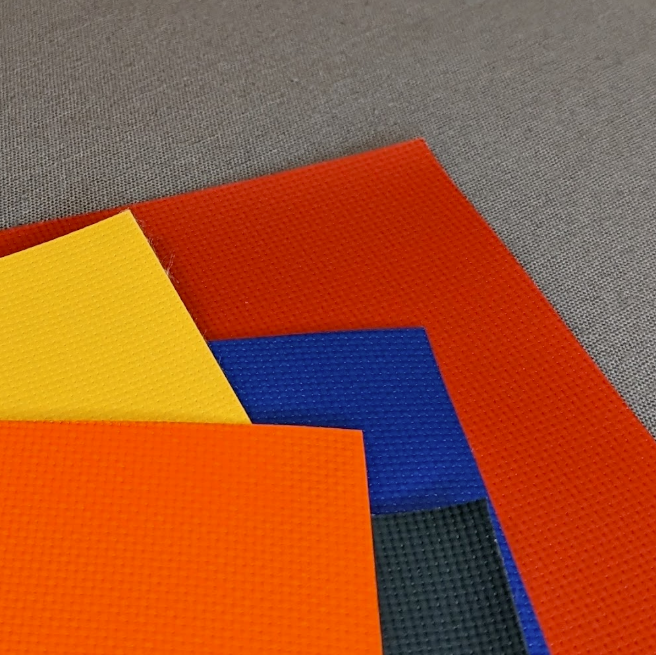
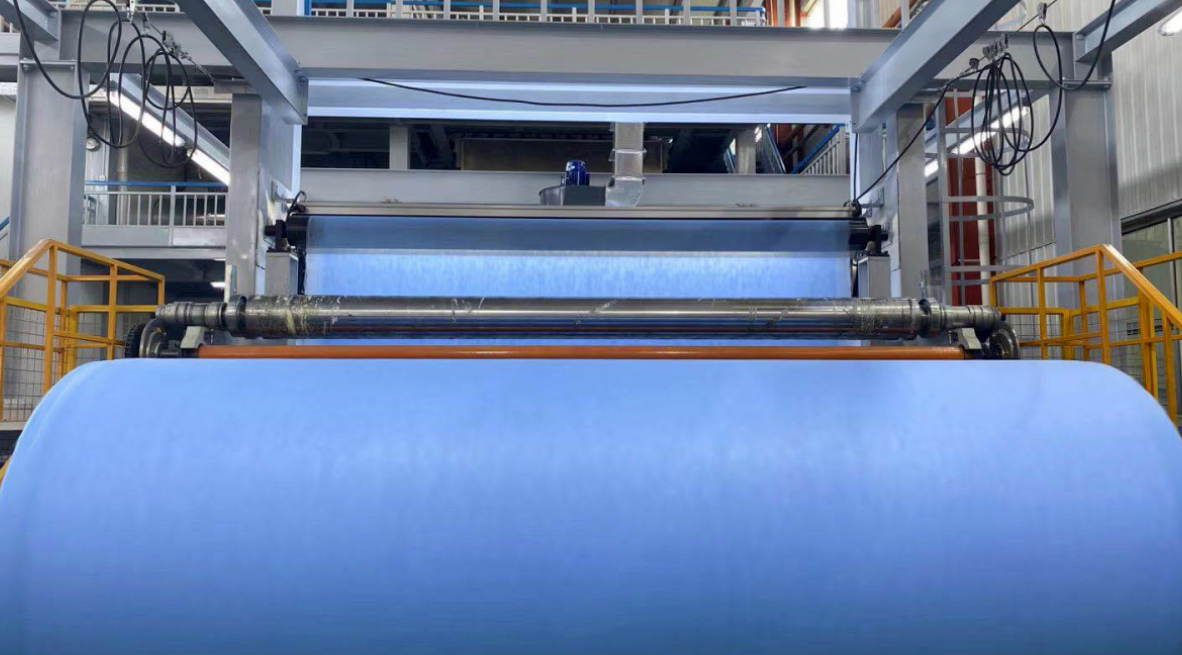
When it comes to selecting PE/PP coated fabrics, making an informed decision is crucial for ensuring optimal performance, durability, and cost-effectiveness. As industry leaders, TAIMEI presents this comprehensive guide to help buyers navigate the complexities of the market, identify high-quality products, and avoid costly mistakes. Our top 10 buying tips are designed to empower you with the knowledge necessary to choose the best PE/PP coated fabrics tailored to your specific applications.
1. Understand the Core Differences Between PE and PP Coated Fabrics
The first step in making an educated purchase is understanding the fundamental differences between Polyethylene (PE) and Polypropylene (PP) coated fabrics. Both materials serve distinct functions based on their chemical properties, coating techniques, and end-use applications.
PE Coated Fabrics: Known for excellent waterproofing, chemical resistance, and flexibility. Ideal for outdoor tarpaulins, industrial covers, and agricultural applications.
PP Coated Fabrics: Recognized for higher tensile strength, lighter weight, and UV resistance. Suitable for banners, sacks, and lightweight industrial uses.
TAIMEI emphasizes selecting the appropriate coating based on your specific needs, considering factors such as environmental exposure, load-bearing requirements, and flexibility.
2. Evaluate the Coating Thickness and Weight for Durability and Flexibility
The coating thickness and fabric weight are critical parameters influencing the durability, flexibility, and overall performance of PE/PP coated fabrics.
Thicker coatings generally provide better water resistance and longer lifespan, but may compromise flexibility.
Lighter fabrics offer greater ease of handling but may be less resistant to wear and tear.
TAIMEI recommends selecting a coating thickness that balances strength and flexibility, tailored to your operational environment. For heavy-duty industrial uses, coatings of 0.2mm to 0.5mm are advisable, while lighter applications may require 0.1mm to 0.2mm.
3. Confirm the Quality of Raw Materials and Coating Process
High-quality raw materials are the foundation of durable PE/PP coated fabrics. When evaluating suppliers or products:
Ensure the raw PE/PP resins are of reputable grade, compliant with international standards.
Inspect the coating process, which should employ advanced extrusion or lamination techniques to ensure uniformity and adhesion.
TAIMEI utilizes state-of-the-art coating machinery and rigorously tests raw materials to guarantee superior quality and consistency.
Poor-quality raw materials or substandard coating processes can lead to issues like delamination, cracking, or water ingress, severely compromising the fabric’s lifespan.
4. Check for Compliance with Industry Standards and Certifications
Certifications serve as proof of quality, safety, and environmental responsibility. Key standards and certifications to look for include:
ISO 9001 (Quality Management System)
ISO 14001 (Environmental Management)
REACH compliance (Chemical safety)
OEKO-TEX Standard (Non-toxic and safe for skin contact)
UV Resistance Testing Certification
TAIMEI proudly adheres to international standards and holds comprehensive certifications, ensuring our PE/PP coated fabrics meet the highest quality and environmental safety benchmarks.
5. Consider the Fabric’s UV Resistance and Weatherability
For outdoor applications, UV resistance and weatherability are vital to prevent degradation, discoloration, and brittleness over time.
UV stabilizers are added during coating to enhance longevity.
TAIMEI invests in advanced UV-resistant formulations, extending product lifespan in harsh environments.
Confirm the manufacturer provides UV resistance testing reports to validate claims.
Selecting fabrics with superior UV resistance reduces maintenance costs and extends service life, providing better long-term value.
6. Analyze the Fabric’s Tensile Strength and Tear Resistance
The mechanical strength of PE/PP coated fabrics determines their ability to withstand tensile forces and resist tearing during use.
Look for tensile strength values typically exceeding 300 N/5cm for industrial-grade fabrics.
Tear resistance should be evaluated to prevent accidental rips during handling or loading.
TAIMEI ensures all our coated fabrics undergo rigorous tensile and tear testing, guaranteeing they meet or surpass industry standards for strength and durability.
7. Assess Flexibility and Foldability for Easy Handling and Installation
Flexibility is essential for ease of transportation, installation, and form-fitting applications.
Fabrics should maintain flexibility across temperature ranges, especially in cold environments.
TAIMEI offers fabrics with excellent foldability without cracking or weakening, facilitating hassle-free handling.
Proper flexibility reduces installation time, minimizes damage during handling, and ensures a seamless fit in your application.
8. Verify Water Resistance and Waterproofing Capabilities
For applications like tarpaulins, industrial covers, or outdoor banners, waterproofing is non-negotiable.
Check water column height ratings; higher ratings (e.g., ≥ 2000mm) indicate superior waterproofing.
Confirm the coating’s hydrophobic properties, which prevent water penetration.
TAIMEI employs advanced coating technologies to produce fabrics with excellent waterproof performance, ensuring your materials withstand severe weather conditions.
9. Evaluate Cost-Effectiveness and Long-Term Value
While initial cost is important, focus on the total cost of ownership:
Durability reduces replacement frequency.
UV, water, and chemical resistance lower maintenance costs.
Quality assurance minimizes the risk of product failure.
TAIMEI offers competitive pricing without compromising quality, providing long-lasting fabrics that deliver exceptional value over their lifespan.
10. Partner with Reputable Manufacturers with Proven Track Records
Finally, selecting a reliable supplier is crucial. Look for:
Established industry experience
Robust R&D capabilities
Positive customer reviews and case studies
Strong after-sales support
TAIMEI has a proven track record in the PE/PP coated fabric market, with extensive client references and ongoing innovation to meet evolving industry demands.
Conclusion: Your Expert Guide to Choosing the Best PE/PP Coated Fabrics with TAIMEI
Selecting high-quality PE/PP coated fabrics requires meticulous evaluation of multiple factors, from raw material quality to performance certifications. By adhering to these top 10 buying tips, you can confidently choose fabrics that meet your technical specifications, environmental standards, and budget considerations.
TAIMEI remains committed to providing premium coated fabrics that combine advanced technology, rigorous quality control, and exceptional customer service. Trust us to be your partner in sourcing the most durable, reliable, and cost-effective PE/PP coated fabrics for your industry needs.
Contact TAIMEI today to explore our extensive product range and discover tailored solutions that elevate your projects to new heights of quality and performance.